
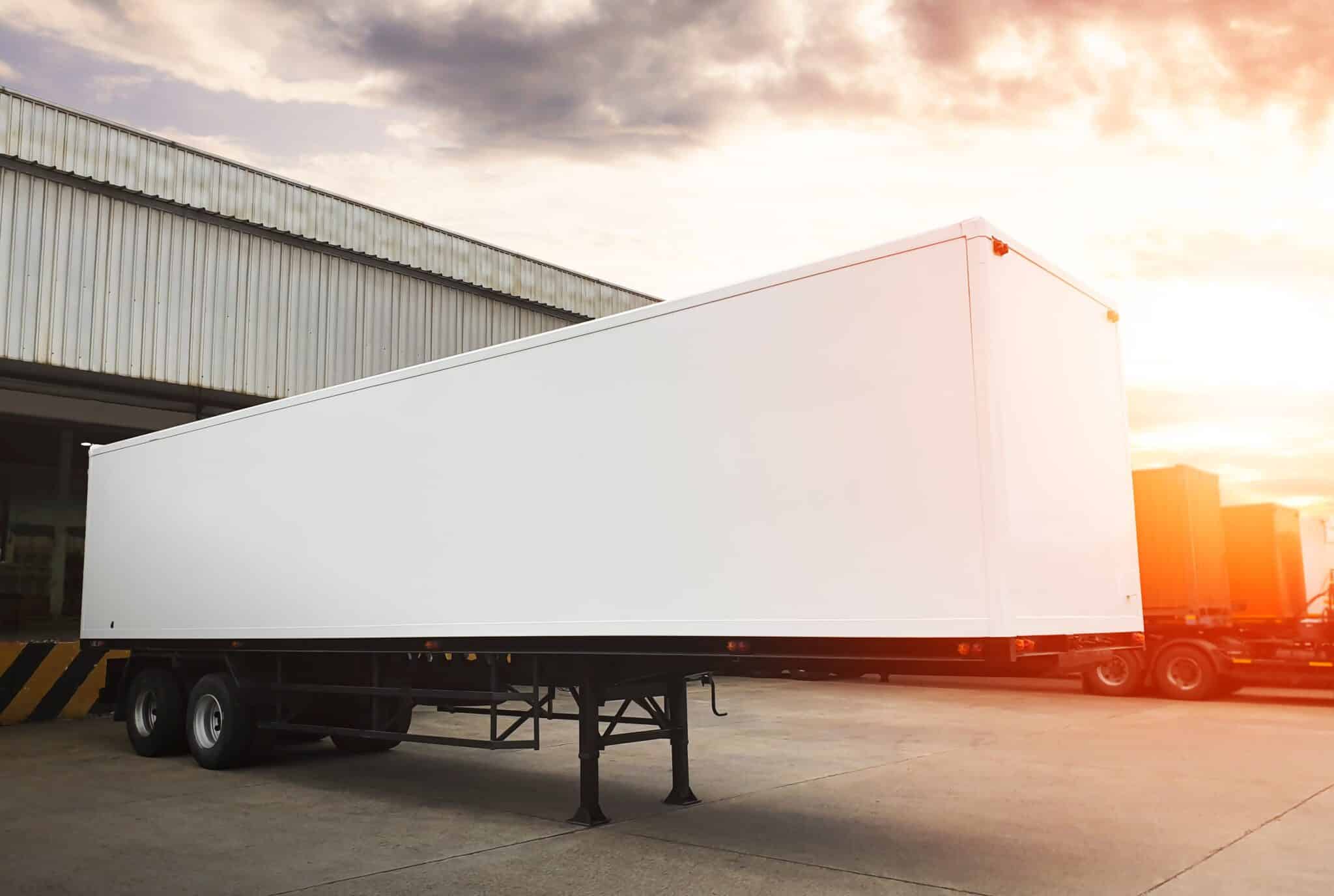
When used strategically, drop trailer deliveries can serve as overflow storage, protect on-time performance, and reduce operational strain during high-volume periods.
For CPG brands, logistics rarely fails because of one massive catastrophe. More often, it’s death by a thousand small constraints, such as:
- Limited dock doors
- Warehouse space running thin
- Peak season volume creeping higher than forecasted
- Retailers tightening delivery windows
When operations feel squeezed, brands often start looking for faster trucks, more labor, or additional storage. But there’s another solution that often gets overlooked: drop trailer deliveries.
What is a Drop Trailer Delivery?
In a traditional live load scenario, a driver arrives at a facility, waits while the trailer is loaded or unloaded, and then departs. With a drop trailer delivery, the carrier drops a loaded trailer at your facility and leaves. Your warehouse team unloads it on their own timeline. Once empty, the carrier returns to pick it up.
That shift in timing changes everything. Instead of being bound to a driver’s schedule, your warehouse gains breathing room.
Why Drop Trailer Deliveries Make Sense for CPG Brands
CPG supply chains operate under constant pressure, from retailer compliance requirements to promotional spikes and seasonal surges. Drop trailers provide flexibility in several key areas:
Peak Volume Relief
During seasonal peaks or retail promotions, inbound and outbound volumes can overwhelm dock schedules. Drop trailers allow product to arrive without requiring immediate unloading, essentially buying time. Instead of scrambling to turn live loads quickly (and risking detention fees), your team can unload strategically, smoothing labor demand across shifts.
Limited Dock Door Capacity
Not every warehouse is built for today’s throughput expectations.
If you’re working with a limited number of dock doors, shared dock space, or tight appointment windows, drop trailers reduce congestion. Drivers won’t be waiting at the door and your team won’t be racing the clock.
Temporary Storage Without Leasing More Space
When space is tight, leasing short-term warehouse space can be costly and slow to arrange. Drop trailers can function as temporary, mobile storage. For short-term overflow, they’re often a faster and more flexible alternative, especially during peak retail cycles when inventory turns quickly.
Protecting On-Time Performance
Retailers don’t typically care that your dock was backed up. They care that the product arrives on time.
Drop trailer programs can help maintain service levels by reducing missed appointments, avoiding rescheduling delays, and keeping freight staged and ready.
When dock schedules get disrupted, drop trailers create operational cushion—and cushion protects OTIF performance.
The Tradeoffs Brands Should Understand
Like any strategy, drop trailers aren’t “free flexibility.”
There are considerations, such as:
- Trailer pool availability
- Yard space to safely store equipment
- Communication between warehouse teams and carriers
- Potential trailer rental or drop fees
The key is using drop trailers intentionally instead of reactively. They work best when built into a broader logistics plan rather than deployed in crisis mode.
When Should a CPG Brand Consider Drop Trailer Delivery?
You may want to explore a drop trailer strategy if:
- You experience consistent peak surges (Q4, seasonal items, promotions)
- Your warehouse regularly struggles with live load timing
- Dock congestion is causing detention or service issues
- You need short-term overflow storage
- You’re expanding distribution but not ready to expand physical space
The difference between a smooth drop program and a chaotic one usually comes down to coordination.
Successful programs include:
- Clear communication between shipper, warehouse, and carrier
- Defined trailer pools
- Scheduled yard checks
- Alignment on pickup timing
- Visibility into trailer status
When managed well, drop trailers don’t create complexity. They reduce it.
Leverage Zipline Logistics for Drop Trailer Deliveries
Drop trailers are often viewed as a “quick fix” during emergencies. But for CPG brands navigating increasing retailer expectations and tighter delivery windows, they can be something much more powerful: a proactive flexibility strategy.
And if you need help crafting a drop trailer strategy that works for your brand, look no further than Zipline Logistics.
Zipline Logistics is the only third-party logistics solutions provider in North America exclusively servicing consumer-packaged goods and retail. Our curated carrier network, retail experts and SOPs, and state-of-the-art proprietary technology unlocks growth for brands, protects margins, and enhances customer experience through flawless on-time, in-full execution.
Our top CPG delivery locations include retailers like Walmart, Dicks Sporting Goods, Amazon, Sam’s Club, Target, Costco, Best Buy, and Meijer.
Ready to drop poor logistics performance for good?
